


 English

News
Fri 11 , 2026

injection molding is one of the most widely used manufacturing processes for producing plastic parts with consistent shapes, dimensions, and surface finishes. It is commonly used in automotive components, electronic housings, household products, medical devices, and consumer goods.
The process involves heating plastic material until it melts, injecting it into a mold cavity, allowing it to cool, and then removing the finished part. Each stage plays an important role in determining the final product's quality and dimensional accuracy.
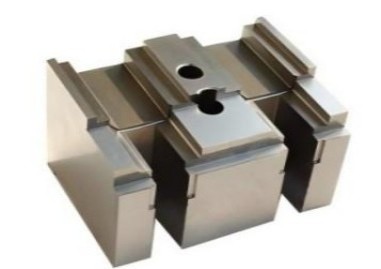
The injection molding process typically consists of six main steps.
Plastic pellets are selected according to the product's requirements. Common materials include ABS, PP, PC, PA (nylon), and PE.
Before processing, some materials need to be dried to remove moisture. For example, ABS and PC are commonly dried before molding to reduce defects such as bubbles and surface marks.
The plastic pellets enter the injection molding machine through a hopper and move into a heated barrel.
Inside the barrel, heating elements and a rotating screw gradually melt and mix the plastic. The temperature depends on the material being processed. For example, ABS is typically processed at approximately 200–250°C, although the exact range varies by grade and manufacturer.
Once the plastic reaches the required molten state, the injection unit pushes it through a nozzle into the mold cavity under controlled pressure.
The molten plastic fills the cavity and takes the shape of the mold. Injection speed and pressure must be properly adjusted to avoid incomplete filling, flash, and other molding defects.
After the mold cavity is filled, additional pressure is maintained to compensate for material shrinkage as the plastic cools.
This stage helps reduce internal voids, sink marks, and dimensional inconsistencies.
For example, thicker plastic sections may require longer holding times because they take more time to cool and solidify.
The plastic gradually cools inside the mold through a cooling system, usually consisting of water channels.
Once the material reaches a suitable solid state, the mold can be opened. Cooling time depends on material properties, wall thickness, mold temperature, and cooling system Design.
The mold opens, and an ejector system pushes the finished plastic part out of the cavity.
The product may then undergo trimming, inspection, assembly, or other secondary operations before packaging.
Each stage directly affects product quality, production consistency, and manufacturing costs.
Material preparation: Reduces moisture-related defects and helps maintain material properties.
Melting: Ensures the plastic reaches a suitable processing temperature and flow condition.
Injection: Determines whether the mold cavity can be filled completely.
Holding pressure: Helps compensate for shrinkage and maintain product dimensions.
Cooling: Affects cycle time, dimensional stability, and surface quality.
Ejection: Helps prevent deformation or damage when removing the finished part.
For example, when manufacturing an automotive plastic housing, uneven cooling may cause warping, making the part difficult to assemble with other components. Proper mold design and cooling channel placement help reduce this risk.
Different plastic materials are selected based on mechanical strength, heat resistance, flexibility, and application requirements.
Material | Main Properties | Common Applications |
|---|---|---|
ABS | Impact resistance, good surface finish | Electronic housings, automotive parts |
PP | Lightweight, chemical resistance | Containers, automotive components |
PC | High impact resistance, transparency | Protective covers, electrical parts |
PA (Nylon) | Wear resistance, mechanical strength | Gears, mechanical components |
PE | Chemical resistance, flexibility | Packaging, household products |
For example, ABS is frequently used for electronic enclosures, while nylon is suitable for certain mechanical components that require wear resistance.
Material selection should consider the product's working environment and performance requirements.
The injection molding cycle time varies depending on product size, material, mold structure, and cooling requirements.
For many conventional plastic parts, a typical cycle may take approximately 15–60 seconds. Small, thin-walled products may have shorter cycles, while larger or thicker components may require significantly longer cooling times.
A typical cycle includes:
Mold closing.
Plastic injection and holding.
Cooling.
Mold opening and ejection.
For example, a small ABS electronic housing may have a shorter cycle than a thick automotive plastic component because of differences in wall thickness and cooling requirements.
Reducing cycle time should not compromise product quality or dimensional stability.
Several defects can occur during production if material conditions, mold design, or machine parameters are not properly controlled.
Common Defect | Possible Cause |
|---|---|
Short Shot | Insufficient injection pressure or poor material flow |
Flash | Excessive injection pressure or poor mold clamping |
Sink Marks | Insufficient holding pressure or uneven cooling |
Warping | Uneven cooling or material shrinkage |
Air Bubbles | Moisture or trapped air |
For instance, short shots may occur when molten plastic cannot completely fill the mold cavity. Adjusting injection speed, pressure, and mold temperature may help resolve the issue.
Regular inspection and process monitoring are important for maintaining consistent production quality.
Injection molding transforms plastic pellets into finished components through a controlled sequence of material preparation, melting, injection, holding pressure, cooling, and ejection. Each step contributes to the final product's quality, accuracy, and consistency.
Understanding how injection molding works helps manufacturers select suitable materials, optimize mold designs, and identify potential production problems. For businesses developing custom plastic products, working with an experienced injection molding manufacturer can also help improve mold development and production planning.
We attach great importance to the customers' demands for product quality and rapid production.
We always believe that meeting the customers' needs is the realization of our value!
Copyright © 2026 YouKing Mould Co., Ltd All rights reserved.| Sitemap| Sitemap
Privacy Policy / Cookie Policy / Terms & Conditions