


 English

News
Fri 10 , 2026
Injection molding is a manufacturing process used to produce plastic and other molded components by injecting molten material into a mold. Different types of injection molding are Designed for specific materials, product structures, and production requirements. Understanding these methods helps manufacturers select the right process for their applications.
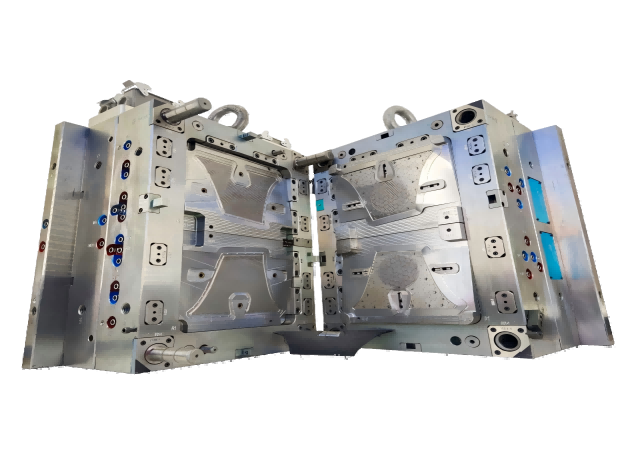
The most common types of injection molding include:
Thermoplastic injection molding: Uses materials such as ABS, polypropylene (PP), and polyethylene (PE). It is widely used for automotive parts, electronic housings, and consumer products.
Thermoset Injection Molding: Processes materials that undergo an irreversible chemical cure during molding. It is suitable for certain electrical components and heat-resistant parts.
Insert Molding: Places metal or other components inside a mold before injecting plastic around them. Common applications include electrical connectors and threaded inserts.
Overmolding: Molds one material over an existing component to create a combined part, such as a rigid plastic handle with a soft grip.
Gas-Assisted Injection Molding: Introduces gas into the molten plastic to create hollow sections or reduce material usage in suitable designs.
Two-Shot Injection Molding: Injects two materials or colors in a coordinated process to create a single integrated component.
Different products require different mechanical properties, surface finishes, structures, and manufacturing costs. A simple plastic enclosure may only need conventional thermoplastic injection molding, while a soft-touch handle may require overmolding.
For example, automotive interior components often use overmolding to combine rigid substrates with softer surfaces. Electrical connectors may use insert molding to integrate metal terminals into plastic housings.
Selecting the appropriate process helps manufacturers balance product performance, Tooling costs, production efficiency, and design complexity.
Insert molding integrates a pre-made component, often metal, into a plastic part during injection molding. Overmolding applies a second material over an existing part or substrate.
The key difference is the purpose of the additional component or material. Insert molding is often used for structural or electrical integration, whereas overmolding is frequently chosen for grip, sealing, protection, or multi-material designs.
For instance, a metal threaded insert embedded in a plastic housing is an example of insert molding. A rubber-like layer molded onto a plastic handle is an example of overmolding.
Manufacturers should consider the following factors before selecting a process:
Material requirements: Determine whether the product needs thermoplastic, thermoset, or multiple materials.
Product design: Evaluate wall thickness, hollow structures, inserts, and surface requirements.
Production volume: Consider tooling investment, cycle time, and expected demand.
Performance requirements: Assess strength, heat resistance, flexibility, sealing, and dimensional accuracy.
For example, high-volume production of standard plastic housings may favor conventional thermoplastic injection molding. Products combining rigid and soft materials may benefit from overmolding or two-shot injection molding.
The main types of injection molding include thermoplastic molding, thermoset molding, insert molding, overmolding, gas-assisted molding, and two-shot molding. Each process offers different advantages depending on the material, product design, and production requirements. Evaluating these factors helps manufacturers choose an appropriate molding method and achieve consistent product quality.
We attach great importance to the customers' demands for product quality and rapid production.
We always believe that meeting the customers' needs is the realization of our value!